Skip to content
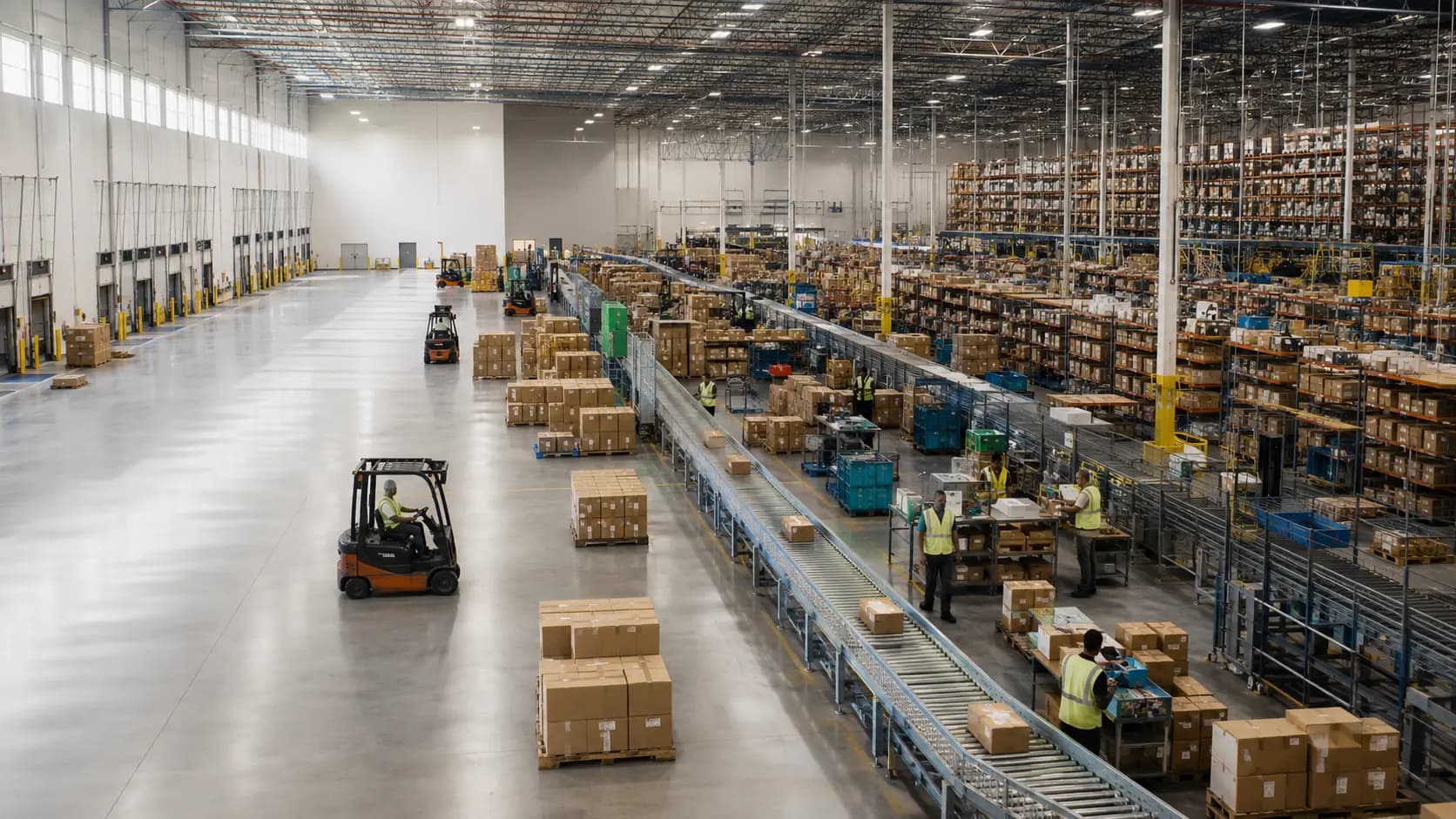
A fulfillment warehouse with people moving orders through the operation

Operations and service delivery

Operations Automation & Service Delivery Software

One operating record, from promise to delivery.

Discuss your workflow

The operation, connected

One operating record, from promise to delivery.

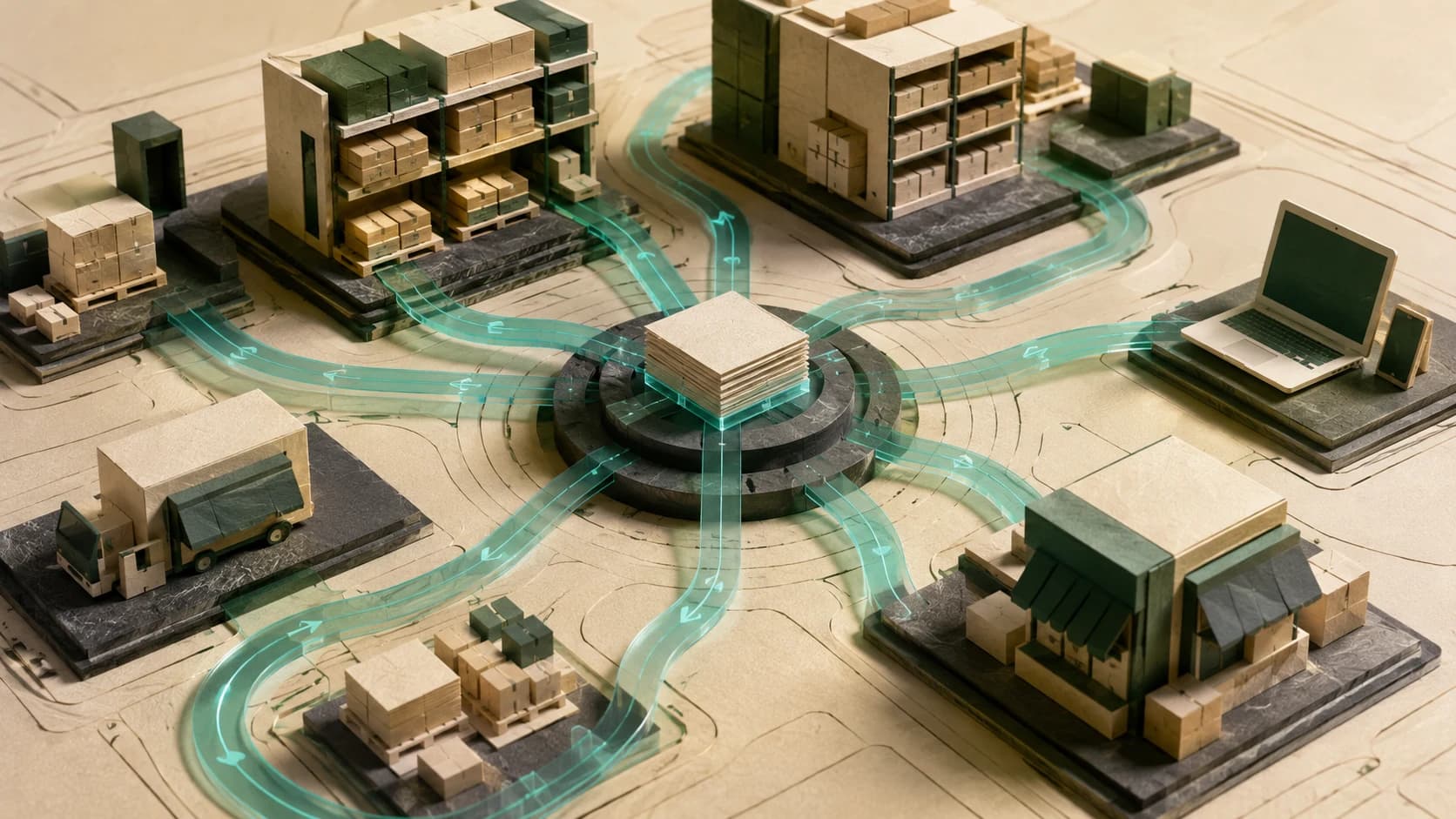
Aiwah builds custom operations software and service delivery systems for the work that must happen after a customer says yes. Orders, stock, schedules, supplier commitments, dispatch and billing stay connected. Your team can see what is ready, what is blocked and who needs to act, with practical interfaces for planners, frontline staff, customers and management.

The order is in one system, the stock position in another, and the real delivery promise in a conversation. Teams re-enter details and chase updates because no shared record describes the work from beginning to end. We redesign the workflow around the order, job or production commitment so exceptions become visible before they disrupt delivery.

  • Orders and jobs depend on senior staff relaying information between teams.
  • Inventory or supplier updates arrive too late to protect a delivery commitment.
  • Completed work still needs to be reconstructed for billing and management reporting.

What we can build

Purpose-built capabilities.
One connected system.

Scope the combination that solves your operating problem, with clear responsibilities for software and people.

01

Order management and fulfillment

Connect order intake, line items, pricing, preparation, picking, packing, delivery and status communication. Represent exceptions such as substitutions, partial fulfillment and cancellations explicitly. Each role sees the current work and the evidence it needs, while customers receive updates from the same operating record.

02

Inventory and supply-chain coordination

Connect stock, bills of materials, purchase orders and supplier acknowledgements to dated demand. Surface shortages, late commitments and component-readiness gaps before work is scheduled. Proposed purchasing, expediting and substitution decisions retain approval gates and traceability to the production or delivery promise they support.

03

Scheduling, dispatch and field service

Create planning and dispatch views for jobs, availability, service requirements and accountable staff. Mobile or tablet interfaces can carry customer history, asset information, inspection photos and completion evidence into the field. Schedule changes and unusual conditions stay visible to the people who can resolve them.

04

Supplier and vendor workflows

Turn quotations, purchase approvals, acknowledgements and delivery updates into a connected process. Track what was requested, agreed, changed and received. Missing responses or revised dates create owned exceptions, reducing the time planners spend reading email threads to reconstruct a supplier commitment.

05

Billing and accounting handoff

Connect completed work to approved charges, invoice preparation and accounting records. Required evidence and commercial checks travel with the handoff. Payment authority, refunds, unusual discounts and margin-sensitive changes remain controlled decisions; automation does not remove financial review simply to move work faster.

06

Operational dashboards and exception queues

Give management a current view of work in progress, delayed jobs, shortages, unresolved approvals and recurring bottlenecks. Build reporting from the same records staff use to operate. Every exception needs an owner, a reason and an action path so the dashboard supports decisions instead of becoming another status display.

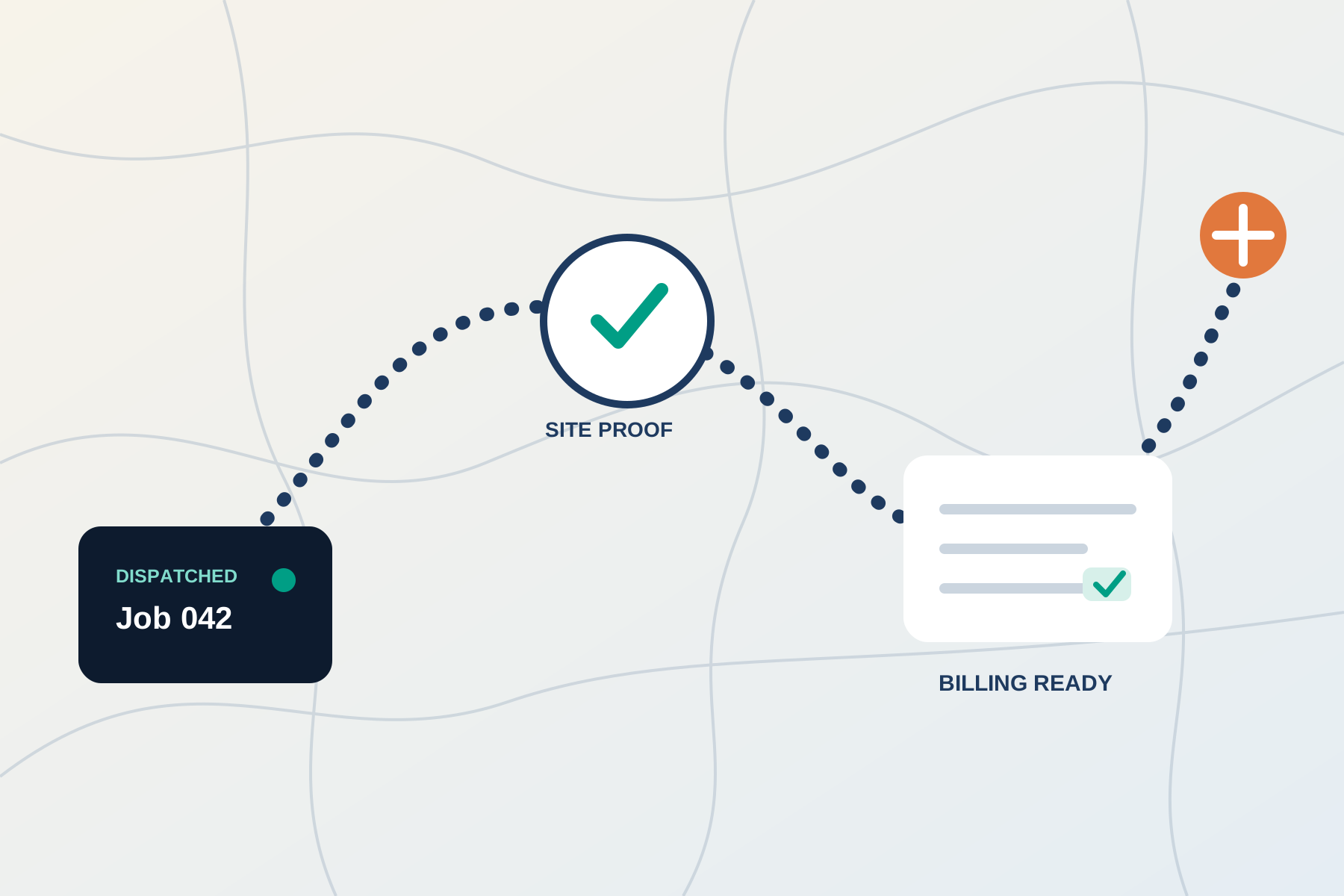
Live delivery viewCommitments become visible work.

Readiness, exceptions and proof of completion share one operating record.

An example workflow

From the first signal
to the next accountable action.

This is a starting point for design. The actual workflow, permissions and integrations are scoped around your operation.

  1. 01

    Make the commitment explicit

    An accepted order, booking or production plan creates a record of the required work, timing, resources and customer expectations.

  2. 02

    Check readiness

    The system compares requirements with stock, capacity, supplier commitments and approvals. Gaps become accountable exceptions.

  3. 03

    Coordinate execution

    Each team sees its current tasks and supporting context. Progress and changes update the shared job or order record.

  4. 04

    Close with evidence

    Completion, inspection details and approved charges prepare the billing handoff and management reporting without repeated entry.

Works with your existing tools

Connect the systems that already matter.

We can connect ERP, accounting, warehouse, shipping, inventory and communication systems using their supported interfaces. Existing tools may continue to own finance or stock while a custom operating layer coordinates the process. Data ownership, synchronization timing, retry handling and reconciliation are defined before the first live workflow is released.

Measures we can define together

  • Order or job turnaround
  • Manual handoffs per delivery
  • Readiness before schedule commitment
  • Billing and reporting effort

We establish a baseline and agree a measurement method. Results depend on your process, data and adoption; these are measures to track, not promised outcomes.

Related work and thinking

Go deeper through work
we have already published.

Explore existing case studies and essays connected to this service.

From discovery to live operation

A team responsible for the system, not just the handoff.

We begin with a working session around a real example. We map the workflow, identify the costly handoffs and agree the decisions, permissions and integrations the system needs.

We then shape a focused first release, build the operating interfaces and test routine work alongside exceptions and failure recovery. Rollout includes the people using the system and a way to observe whether the change is helping.

You keep practical control of the code, workflows, business logic, data and operating context we create, subject to third-party services and licences. Support and continued improvement are scoped with the engagement.

Read about security and controls →

Before we begin

Your questions,
answered clearly.

Can this work alongside our ERP?

Yes. Many operational bottlenecks sit between systems rather than inside the ERP. We can build a coordination layer that preserves the existing system of record, provided the necessary data access and integration interfaces are available.

Do frontline staff need a new interface?

Only where it improves the work. A dispatcher, warehouse operator and customer often need different views of the same record. We design those surfaces for the actual environment, including tablet use, fast capture and clear exception handling.

How do you avoid automating a broken process?

We start by tracing a real order or job, naming the decisions and removing unnecessary handoffs. The first release targets a measurable operational constraint. We test normal work, exceptions and recovery paths before expanding automation into adjacent steps.

Explore connected services

Revenue and sales operationsCustomer lifecycleKnowledge and back officeAI discovery & roadmapLegacy modernizationPlatform rebuildAI operations redesignAI for engineering teams

Bring one important workflow

What should work better
in your business?

Tell us where the operation slows down, what your team is doing manually and what a better result would look like.

Book a meeting